
Provisions Relating to Employee Misconduct and Disciplinary Actions in Labor Law of Nepal
A well-disciplined work environment is the foundation of a successful organization. To ensure that rights and responsibilities of both employers and employees are protected, the Labor Act, 2074 (2017) of Nepal outlines clear provisions related to workplace discipline, misconduct, and corresponding punishments. These provisions are mainly addressed under Chapter 20 on Provisions Related to...

Legal Provisions Relating to the Employment of Foreign Nationals in Nepal
The Labor Act, 2017 and Labor Rule 2018 provides specific legal provisions governing the employment of foreign nationals within the country. The provisions about foreign nationals are outlined in Chapter 6 of the Labor Act, which emphasize the conditions, restrictions, and procedures for obtaining labor permits for foreign workers.
Restriction on Employing Foreign Nationals
As per...

Labor Law Compliance in Nepal: Key Obligations and Risks of Non-Compliance
Nepal has made important changes to its labor laws in recent years to make workplaces fairer and more efficient. The Labor Act, 2074 (2017) is the main law that looks after the rights of workers and the duties of employers. Along with other rules and guidelines, this law sets the basic standards for how people should be treated at work.
Every employer in Nepal needs to follow these labor...

Collective Bargaining Agreements in Nepal: Legal Framework and Implementation
In Nepal, Collective Bargaining Agreements (CBAs) are legally recognized instruments that play a crucial role in regulating the relationship between employers and employees. These are formal agreements concluded between an employer (or a group of employers) and a trade union or a committee that legitimately represents the workers within an enterprise. CBAs are primarily governed by the Labour...
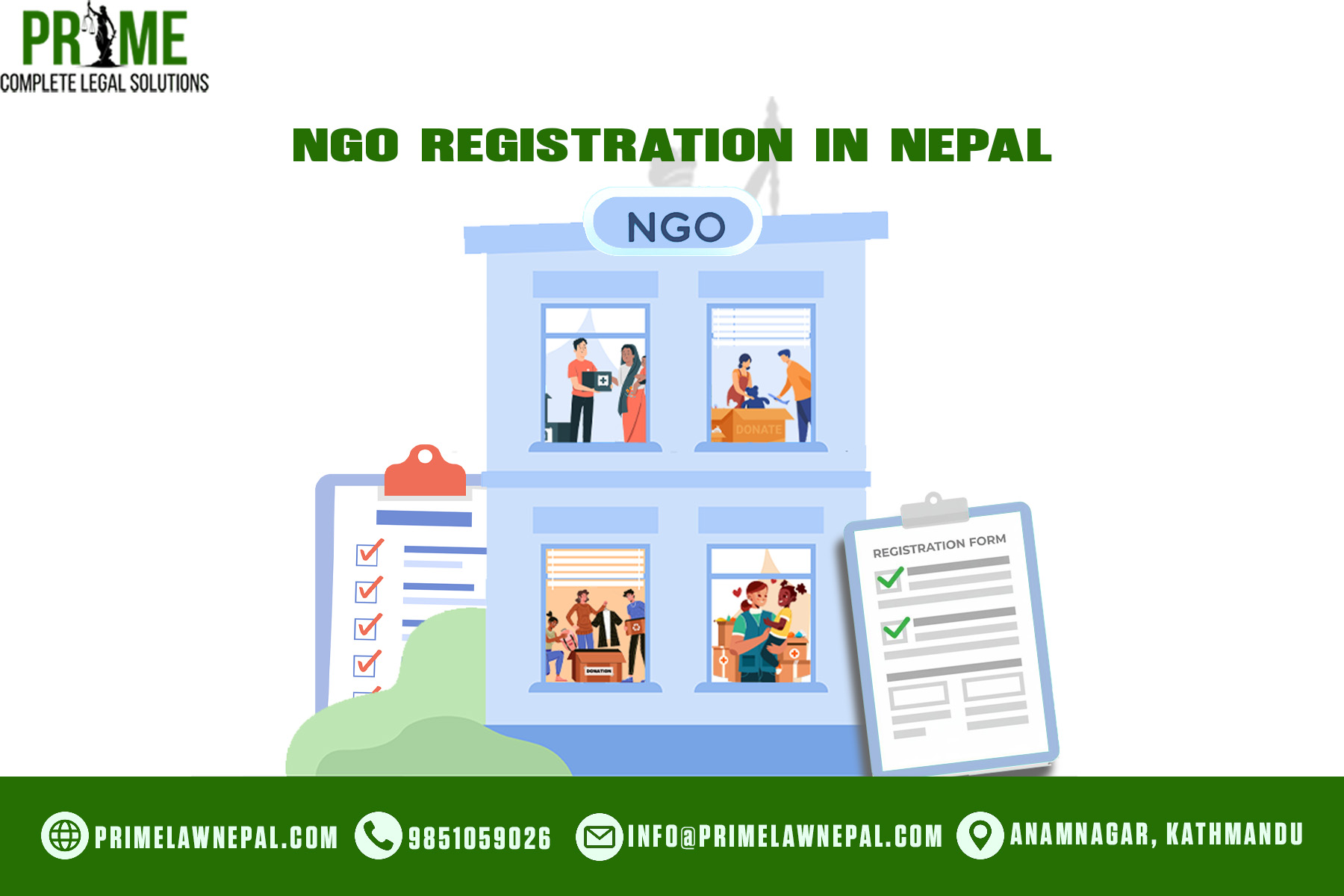
NGO Registration in Nepal
A non-governmental organization (NGO) is a non-profit group that works independently of the government to support social, environmental, and humanitarian causes. NGOs are also known as civil society organizations and may operate on a local, national, or international level. Their main goal is to promote positive change whether by empowering women, protecting children’s rights, preserving the...

Guidelines for Obtaining Internet Service Provider (ISP) License in Nepal
Starting an Internet Service Provider (ISP) business in Nepal means understanding the rules and regulations that control how internet services work in the country. The Nepal Telecommunications Authority (NTA) is the main government body that oversees and manages everything related to ISPs. Anyone who wants to become an ISP must go through a full registration and licensing process with the...

Nepalese Legal Provisions Relating to Void and Voidable Marriages
Marriage is a profound legal and emotional commitment. But not all marriages begin on the right foundation. In some cases, individuals may enter into marriage under pressure, deception, or in violation of legal standards. In Nepal, the law recognizes that such situations can lead to invalid marital relationships and it provides clear classifications for them: void marriages and voidable...

Legal Provisions regarding House Rental and Lease Agreements in Nepal
House Rental Agreements in Nepal
When entering into a house rental arrangement in Nepal, it is important to understand the legal framework provided under the National Civil Code 2074 in chapter 9. According to National Civil code 2074 section 383, A house is considered legally rented when the owner or person in possession of the property allows another person to use it in exchange...

Foreign Investment in Nepal’s Tech Industry
Foreign Direct Investment (FDI) is a crucial component for the economic development of Nepal, particularly in promoting industrial growth, creating employment, and enhancing access to technology and international markets.
Legal Framework for Foreign Investment in Nepal’s ICT Sector
Foreign investment in Nepal’s ICT sector is regulated by a set of laws that provide the basis for...

Legal Framework Regulating Labor Outsourcing in Nepal
The Labour Act, 2074 (2017) introduces a structured legal framework for regulating the engagement of workers through third-party labor outsourcing in Nepal. Recognizing the growing prevalence of outsourced labor in both public and private sectors, the Act seeks to ensure transparency, accountability, and fairness in such arrangements.
By establishing clear criteria and limitations,...